The Case for a Human-Readable Web3
Earlier this year, researchers published a report on pattern responsible for substantial losses among crypto traders. They analyzed thousands of transactions across Ethereum and BSC and found that in 2024 alone, $83.8 million disappeared in 6,633 confirmed address-poisoning incidents.
One case in the report stood out because of how ordinary it was. A wallet owner made a routine transfer, pulled an address from recent history, and approved the transaction. Only later did they realize it wasn’t their address but a look-alike planted by an attacker weeks earlier. The network accepted the transaction as valid, and there was no way to reverse it.
Crypto still forces users to rely on bulky identifiers that offer no context or identity. Even cautious crypto investors fall back on habits that don’t match the level of risk involved.
The Wider UX Problem
Losses from bad addresses are at the end of the spectrum, but the everyday experience isn’t much better. Crypto still overwhelms people with seed phrases, gas settings, chain lists, and addresses that resemble a cat walking across a keyboard.
We ran a US market study recently, and the contrast was eye-opening: 76% of respondents said digital fiat wallets feel easy. Only 13% said the same about Web3 wallets.
People know how to send money with PayPal, Cash App, or Venmo because the interface is intuitive. Names, photos, saved contacts, and familiar flows reduce uncertainty.
In turn, crypto turns a simple action into a technical decision. Even experienced users often admit they’re more nervous about making a wrong tap in their wallet than they are about price swings.
How Web2 Fixed Identity
Suppose you rewind the internet to its early days. In that case, people were sending money online the same way crypto users do today: copying weird strings, praying they didn’t misplace a character, and hoping the recipient got it.
Then Web2 grew up and collectively agreed that it was a ridiculous process. So it built the single greatest UX hack in the history of the internet: human-readable identity.
- Email addresses became the universal passport. Not elegant, but recognizable, memorable, and tied to a user.
- Usernames turned into the backbone of social life online. «@someone» is now presence, reputation, and relationships.
- Verified accounts introduced trust signals that didn’t require reading a manual or decoding a hash. One tiny badge made people relax, as they knew they were talking to a real person or a legitimate business.
Why Blockchain Addresses Feel Hostile
Web2 also built supportive layers around identity: password resets, two-factor authentication, login alerts, trusted device systems, and fraud monitoring. These mechanisms allow billions to use the internet without facing catastrophic consequences for small mistakes.
Blockchains approached identity differently. A wallet is a cryptographic construct created for security and decentralization. It must be unique, resilient to manipulation, and independent of any central operator.
This design leaves almost no room for interpretation. A blockchain checks whether a transaction is mathematically valid, but it cannot understand context or recognize who the sender meant to pay.
Everything hinges on exact data input, with nothing in the protocol offering names, familiar cues, or any mechanism that helps users confirm they are interacting with the right party.
This was the core trade-off set in the early days of Web3: strong security at the protocol level, with little protection against routine human errors. As more networks appeared, the distance between technical safety and human-friendly design only grew.
The Cost of a System People Don’t Fully Trust
These UX gaps have a direct effect on adoption. People hesitate before sending funds, abandon transactions, or avoid self-custody altogether because they’re worried about making an expensive mistake.
The financial losses are measurable, but the hesitation is what hurts growth. When users don’t feel confident, they simply limit their activity.
Crypto has the infrastructure for mainstream adoption already, but the experience still feels risky to anyone who isn’t deeply technical.
The Missing Piece
Web3 needs an identity layer that feels recognizable to users, so sending assets is tied to something they can actually understand.
It also needs a basic level of verification, enough to reduce impersonation attempts that currently rely on how easy it is to mimic addresses. And because money is involved, the system has to meet the standards that businesses and regulators already expect.
Without all three elements working together, Web3 continues to run into the same usability problems.
Where Crypto Credential Fits
The industry has spent years improving wallets, bridges, and payment rails, but the experience still breaks when a user has to decide where to send their funds. Crypto Credential shifts that responsibility away from guesswork and into a system that treats identity as part of the transaction flow.
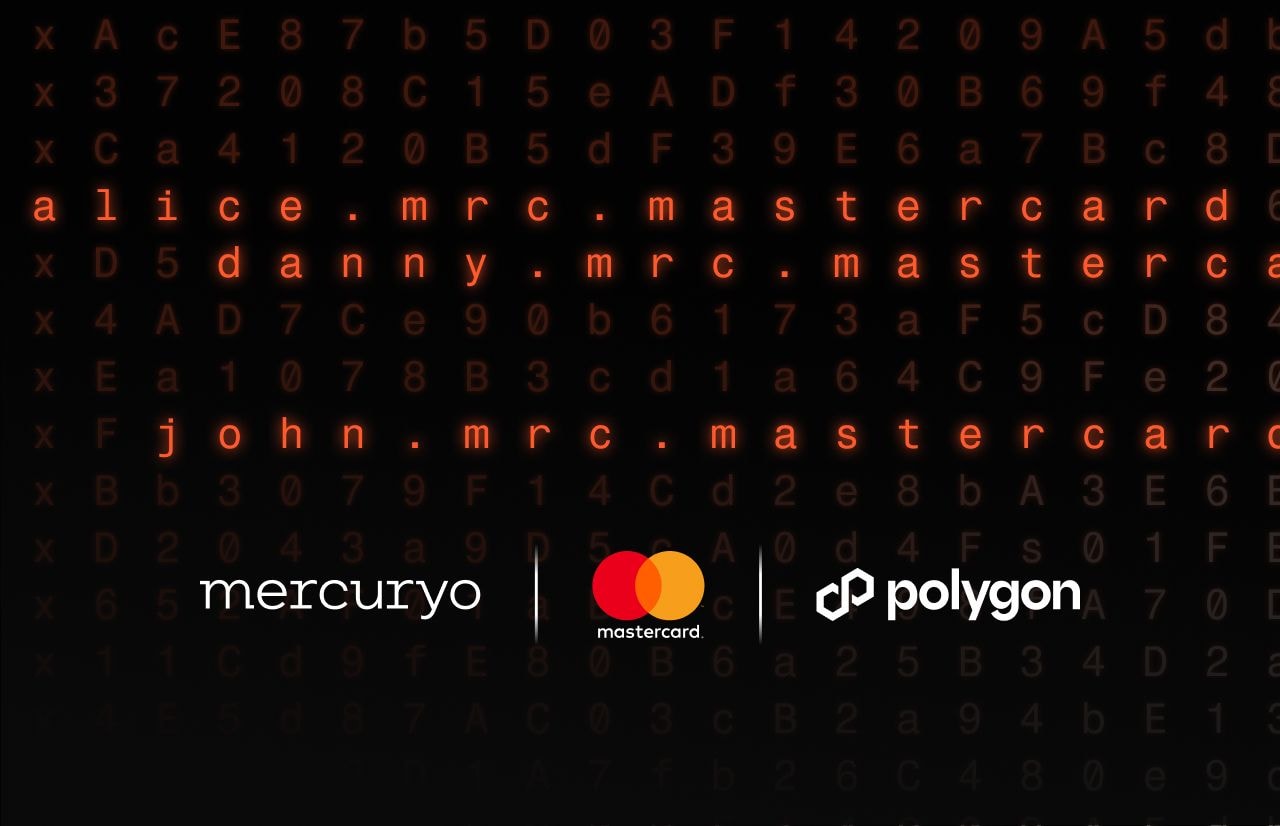
Together with Mastercard, a global payments leader, and Polygon Labs, a major blockchain network, we launched Crypto Credential to bring simple, verified aliases to exchange wallets and a growing network of trusted users. The goal is to simplify everyday transactions and strengthen confidence in the ecosystem, making crypto feel as seamless and secure as any other financial experience.
From the user’s perspective, the process becomes direct. They select a verified name, the system resolves it to the correct address across supported chains, and the transaction moves forward without the usual friction. The protocol continues to function exactly as designed, but the entry point finally aligns with how people expect payments to work.
The Bottom Line
Crypto’s technical foundations are strong, but the user experience still keeps many people at a distance. The lack of a clear, dependable identity makes every transaction feel riskier than it should. Crypto Credential closes this gap by pairing verification with familiar usability. If you want to try it directly, you can claim your Mastercard Crypto Credential through Mercuryo.